
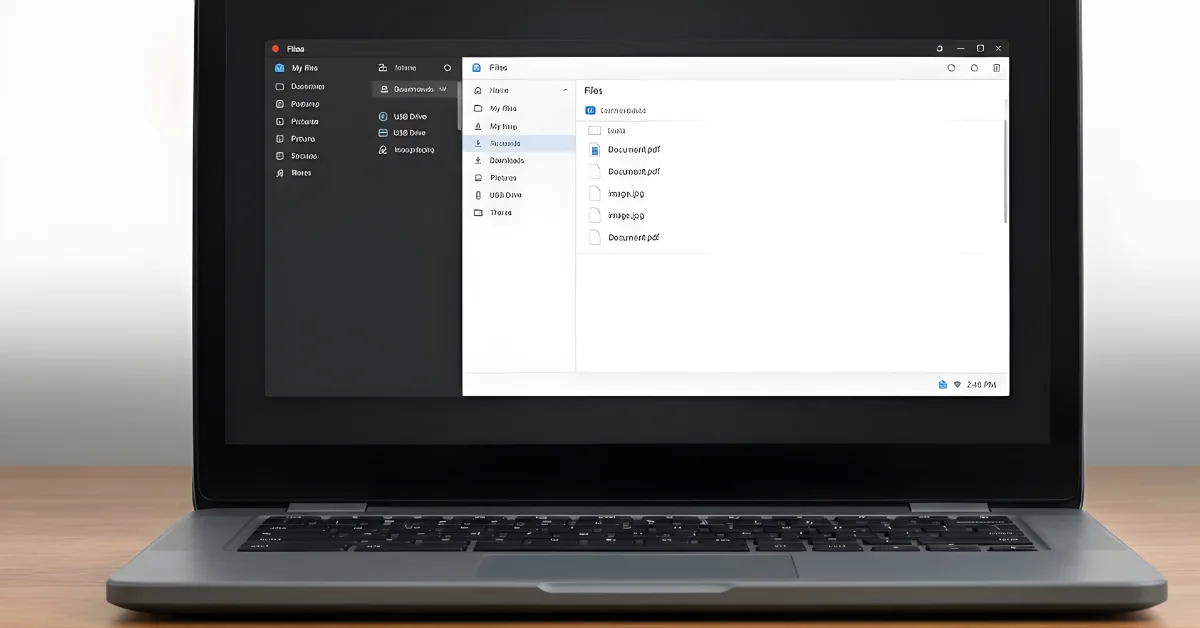

Navigating file transfers on Chromebooks can seem unintuitive at first, especially when dealing with USB devices. Understanding how to download something from usb port on Chromebooks is crucial for users who rely on external storage for work, study, or personal use. Nut Bolt India provides this guide to simplify the process, ensuring data movement remains seamless, secure, and efficient.
If you’re curious to know the procedure to download something on Chromebooks, this guide explores the technical nuances of USB functionality, storage recognition, and file management, helping you optimize Chromebook usage while avoiding common pitfalls.
Understanding USB Compatibility on Chromebooks
Chromebooks operate differently from traditional Windows or Mac devices. Unlike other operating systems, Chrome OS prioritizes cloud-based storage and web applications, which can make offline transfers slightly tricky. USB ports, however, remain fully compatible with many storage devices, including flash drives, external SSDs, and certain peripherals.
Key considerations for USB file transfers:
- File System Compatibility: Chromebooks primarily support FAT32 and exFAT file systems. Files formatted in NTFS may require conversion or third-party apps.
- USB Types: Both USB-A and USB-C ports are supported, but transfer speed varies depending on the port version.
- Permissions: Ensure the Chromebook recognizes external storage by checking the “Files” app; some devices require enabling file access in settings.
Understanding these fundamentals ensures smooth operation before attempting any download or transfer.
Steps to Download Files from USB Devices
Once your Chromebook detects the USB device, the process of transferring files is straightforward yet requires attention to detail. Follow these steps to master how to download something from usb port on Chromebooks efficiently:
- Insert the USB Drive: Connect the drive to the appropriate port; a notification should confirm recognition.
- Open the Files App: Navigate to the USB storage location, typically listed in the left-hand panel.
- Select Files: Choose the files to transfer. Multiple selections can be done using the Shift or Ctrl keys.
- Download to Chromebook: Drag the files into the “Downloads” folder or right-click to select “Copy to Downloads.”
- Verify File Integrity: Always check transferred files for completeness to avoid corruption, especially with large video or data files.
In some cases, downloading specialized applications or media from USB drives may require additional steps. For instance, you may explore guides on How to Download VideoBuddy Apkor How to Download Slayer Legend on Laptop, which can involve enabling app permissions for offline storage.
Troubleshooting Common USB Download Issues
Even with proper understanding, users occasionally face technical hurdles. Awareness of these issues prevents data loss and ensures consistent performance.
Typical challenges and resolutions:
- USB Not Recognized: Ensure the drive is FAT32 or exFAT. Attempt reinsertion or use a different port.
- Slow Transfers: USB 2.0 ports offer slower speeds; consider upgrading to USB 3.0 devices.
- Permission Errors: Check Chromebook settings under “Device Management” to allow external file access.
- Corrupted Files: Avoid unplugging the drive during transfer; always use “Eject” before removal.
For users dealing with large game or software files, references like How to Download Isekai Slow Life on PCor How to Download All Messages from Yahooprovide additional context on managing downloads safely across multiple platforms.
Optimizing Chromebook Storage for USB Downloads
Efficient management of storage ensures that how to download something from usb port on Chromebooks becomes a seamless experience. Chromebooks have limited onboard storage, making cloud and external device management critical.
Best practices include:
- Regular File Cleanup: Delete unnecessary downloads to free up space.
- Use External Drives for Heavy Media: Especially for videos or large datasets.
- Enable Offline Access: Google Drive integration allows offline use of files, minimizing dependency on USBs.
- Organize Files Systematically: Categorize by project or type to reduce retrieval time.
For tech-savvy users, combining USB downloads with cloud backups improves workflow efficiency and safeguards data integrity.
Conclusion
Mastering how to download something from usb port on Chromebooks enhances productivity and ensures secure, efficient file management. Nut Bolt India emphasizes the importance of understanding Chromebook USB compatibility, troubleshooting potential issues, and optimizing storage strategies. Whether handling personal media, professional documents, or game files, following these guidelines guarantees smoother operations. By integrating smart practices and being aware of platform nuances, every user can confidently navigate the Chromebook ecosystem.