
Pregnancy is one of the most magical, emotional, and sometimes nerve-wracking experiences of life. Especially in the early weeks, every scan, every symptom, and every sign can feel like a milestone, or a mystery. One of the biggest moments in early pregnancy is hearing the baby’s heartbeat for the first time. But what if that heartbeat isn’t there yet? How late can heartbeat start in pregnancy? Let’s explore that in detail. Whether you’re an expecting parent, a curious friend, or someone trying to conceive, this guide will break down the facts for you in a way that’s simple and reassuring.
When Does the Fetal Heartbeat Usually Begin?
Let’s start with what’s typical. The fetal heartbeat usually begins around 5.5 to 6 weeks of pregnancy, calculated from the first day of your last menstrual period (LMP). However, that doesn’t mean it will always be detectable at that stage. In most early pregnancy ultrasounds, the heartbeat becomes clearly visible between 6.5 to 7 weeks. By then, the embryo is large enough for modern ultrasound machines to pick up the tiny flickering rhythm that marks the beginning of life. But here’s the important part: not seeing a heartbeat at 6 weeks doesn’t necessarily mean there’s a problem. Timing matters a lot.
Why Timing Matters: Ovulation and Implantation Variations
It’s very common for ovulation and implantation dates to vary, even if you have a regular cycle. If you ovulated later than average, or if implantation took longer, then your embryo might be younger than you think based on LMP calculations. In such cases, it’s entirely possible for the heartbeat to show up as late as 7.5 to 8 weeks. Doctors usually recommend waiting and repeating the scan after a week if the heartbeat isn’t visible early on. That one week can make a huge difference.
How Late Is Too Late to Detect a Heartbeat?
This is where many parents start to worry. While the heartbeat is generally detectable by 8 weeks, there are rare instances where it may show up slightly later. However, if there’s no heartbeat detected by 8.5 to 9 weeks and the measurements of the embryo (CRL – Crown Rump Length) indicate it should be present, your doctor may start to assess for possible complications. It’s important to follow up with a second or third scan and trust the medical advice you receive. Sometimes the pregnancy may not be progressing normally, and your healthcare provider will guide you compassionately through your options.
Role of Ultrasound Quality and Technician Skill
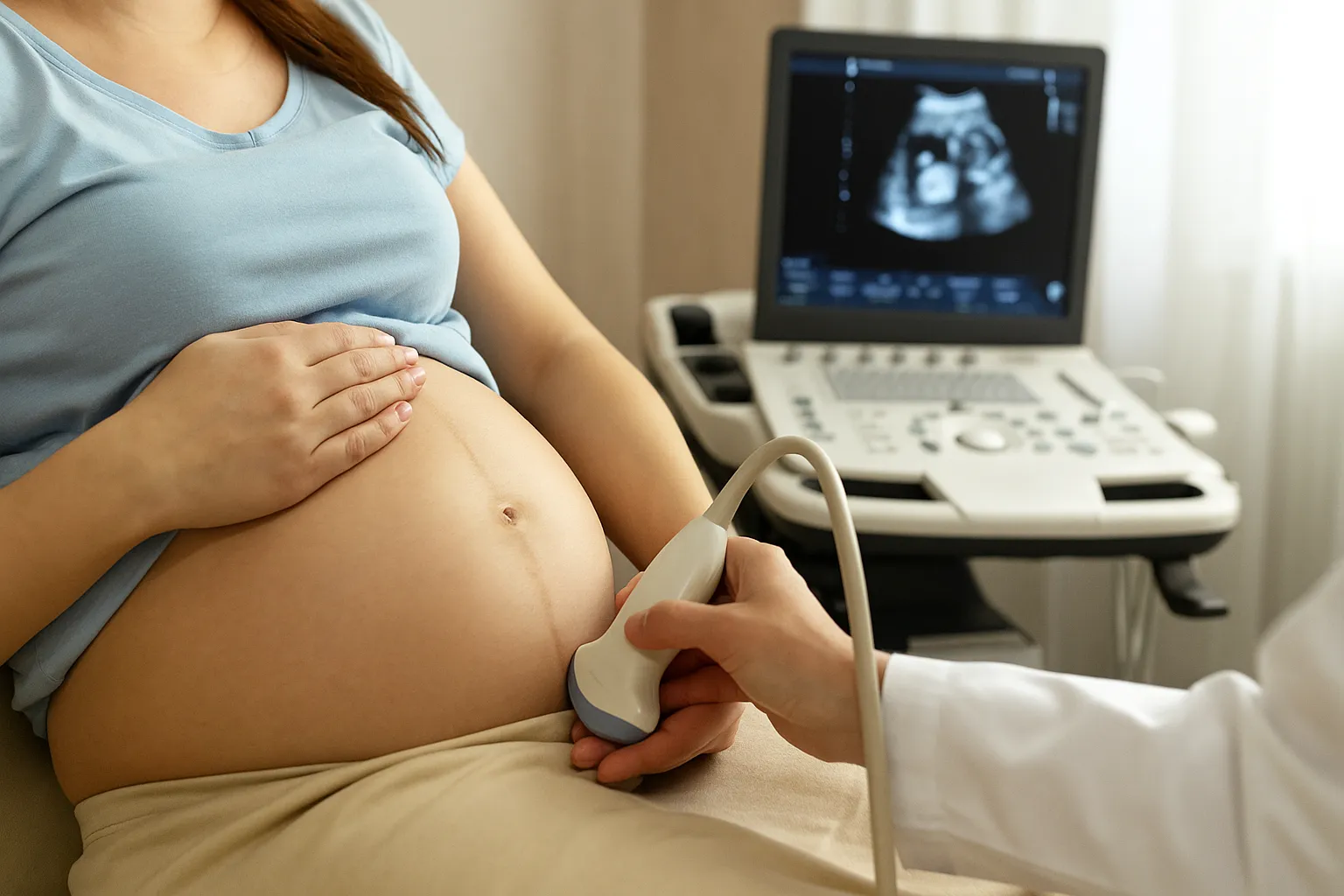
Not all ultrasounds are the same. The ability to detect a heartbeat early depends on several factors:
- Type of ultrasound (transvaginal is more sensitive in early pregnancy than abdominal)
- Quality of the machine
- Experience of the sonographer
- Maternal body type and uterus position
So, if your first scan doesn’t show a heartbeat, it may not necessarily be because it’s not there; it could simply be that it’s too early or too subtle to detect.
What Should You Do If There’s No Heartbeat Yet?
First of all, don’t panic. If you’re around 6 weeks and the heartbeat isn’t visible yet:
- Wait for at least 7–10 days before repeating the scan.
- Ensure you’re seeing a qualified OB-GYN or radiologist.
- Track other pregnancy signs such as HCG levels, progesterone levels, and symptoms.
Doctors often order a follow-up scan and serial blood tests to get a clearer picture of how the pregnancy is progressing. In the meantime, try to stay calm and take care of your physical and emotional well-being.
Real Stories: Every Pregnancy Is Unique
Every parent-to-be has a unique story. There are plenty of real-life cases where parents were told “no heartbeat yet” at 6 or even 7 weeks, only to see a strong heartbeat on the follow-up scan. These experiences are common and remind us that pregnancy timelines are not always textbook perfect. A similar sense of uncertainty can happen when women explore fertility challenges. If you’ve ever read about How to Reduce AMH Levels in PCOS Naturally, you’ll know how confusing hormone levels and cycle tracking can be.
Link Between AMH Levels and Early Pregnancy Monitoring
If you’re someone who’s had a history of fertility tracking, you might be familiar with Anti-Müllerian Hormone (AMH) levels. Many women track their AMH levels to understand their ovarian reserve, and it plays a role in predicting how easily one might get pregnant. But once pregnancy is confirmed, AMH isn’t used to monitor the pregnancy, it’s all about ultrasounds, HCG levels, and fetal development. That said, understanding What Is a Good AMH Level to Get Pregnant can still give you useful background when discussing your reproductive health with your doctor.
What If You’ve Had an IVF or Assisted Pregnancy?
In IVF pregnancies, doctors can track dates more accurately, but even then, some embryos take longer to develop. For IVF cases, fetal heartbeat is usually expected by 6.5 to 7 weeks post embryo transfer. However, doctors may still wait till the 8th week before making any strong conclusions. A second opinion or scan can often provide clarity, especially in delicate cases. And if you’re on the fertility journey and wondering Which Food Increase AMH Level, you might already know how much patience is needed when every week counts.
Is It Always a Sign of Miscarriage If No Heartbeat Is Seen?
Not necessarily. No heartbeat does not always mean miscarriage, especially before 7 weeks. However, once you cross 8.5 to 9 weeks and there is no growth, no heartbeat, and dropping HCG levels, it may indicate a missed miscarriage.
This is why doctors emphasize:
- Regular tracking
- Repeat scans
- Monitoring HCG over time
Only with a complete medical picture can any conclusions be drawn.
What You Can Do for Peace of Mind
- Avoid early scans unless medically advised (waiting till at least 7 weeks is usually better)
- Focus on prenatal nutrition and hydration
- Talk openly with your doctor about your anxieties
- Avoid comparing your journey with others
And while on the topic of bodily processes, if you’ve ever wondered about skin changes during pregnancy or hormonal shifts, you might find it helpful to read about how to stop melanin production in body, which explains pigmentation concerns many pregnant women face.
Final Thoughts
Pregnancy can sometimes feel like a mix of joy and uncertainty, especially in the early weeks when you’re waiting to hear that first heartbeat. The truth is, the heartbeat can start as early as 5.5 weeks, but it might not be visible until 6.5 to even 8 weeks, depending on a variety of factors. So if you’re facing this question, how late can heartbeat start in pregnancy, know that you’re not alone and there’s a lot of room within the range of “normal.” What matters most is ongoing monitoring, proper medical advice, and trusting the journey, however unique it may be.Still curious about more “how” and “why” questions in life? NutBolt India is your go-to destination where we break down complex answers into simple, relatable guides you can trust.